Complete Guide to improving indoor air quality and HVAC efficiency
Complete Guide to improving indoor air quality and HVAC efficiency
Blog Article
Air Vent Cleaning: Breathe Easier With These Crucial Tips
Air duct cleaning is critical in keeping a healthy indoor environment. It assists in removing contaminants, dust, and allergens that can influence air quality. Knowing when ducts require service is vital for maximum HVAC performance. Homeowners frequently overlook the tools and techniques required for thorough cleaning. Grasping these aspects can significantly enhance comfort levels and energy efficiency. What actions should one implement to guarantee better air quality and improved system efficiency?
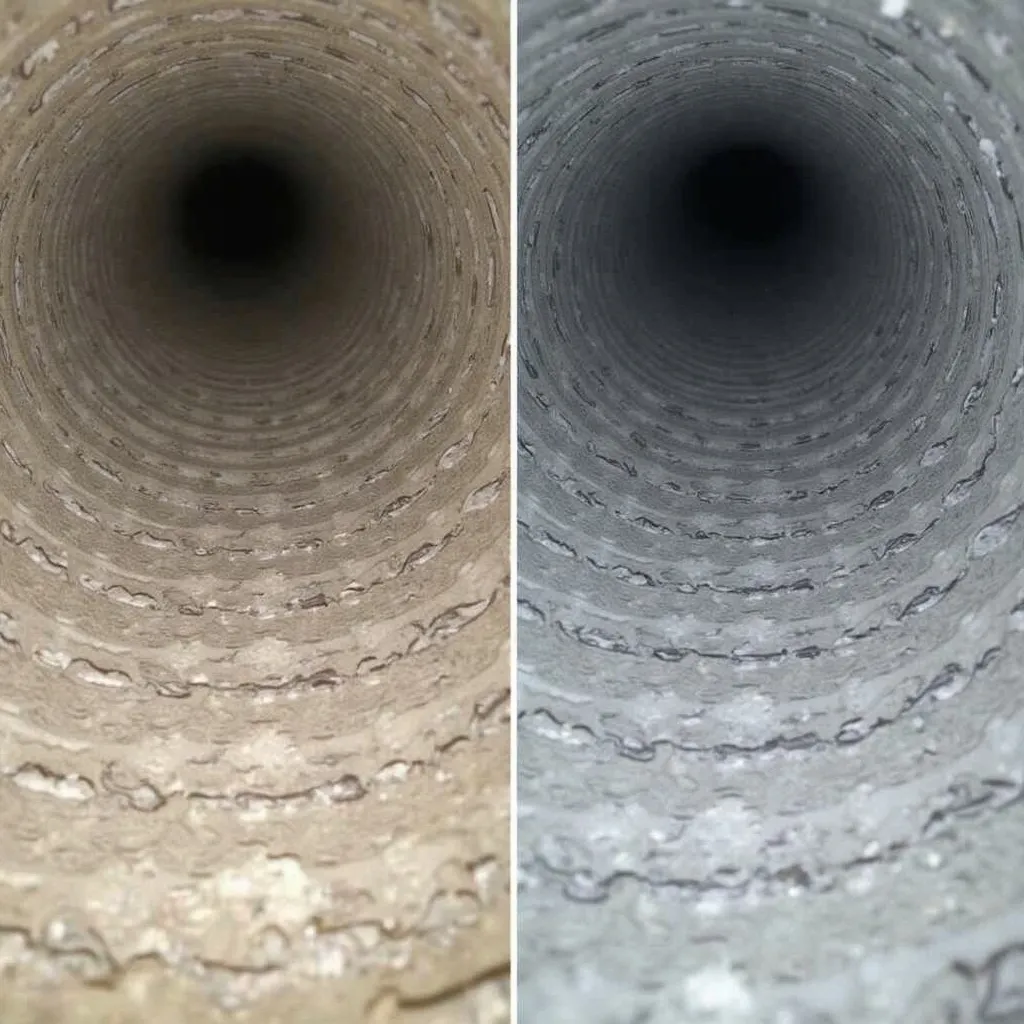
How Air Duct Cleaning Improves Your Health
Air duct cleaning greatly enhances air purity inside homes, resulting in improved health for occupants. Over time, dust, allergens, and pollutants accumulate within the ductwork, moving throughout the air. This buildup can worsen breathing difficulties, allergic reactions, and various health concerns. By eliminating these impurities, air duct cleaning reduces the likelihood of airborne illnesses and promotes a healthier living environment.
In addition, immaculate air ducts can improve the efficiency of temperature control systems, yielding more consistent temperatures and reduced energy consumption. This not only contributes to overall comfort but also restricts exposure to injurious materials that can be vented when systems are improperly maintained.
Consistent upkeep of air ducts ensures that fresh, clean air flows throughout the home, promoting better sleep, boosted energy levels, and overall wellness. Ultimately, maintaining clean air ducts is a essential step in safeguarding the health of all occupants.
Signs Your Ducts Need Cleaning?
Regular upkeep of air ducts is crucial for maintaining a healthy living environment. Homeowners should be vigilant for several signs indicating that duct cleaning is needed.
One prominent sign is noticeable dust or debris near vents or the air filter, suggesting accumulated dirt within the ducts. Furthermore, if occupants suffer from increased allergy symptoms, such as sneezing or congestion, it may signal that pollutants are circulating in the air.
Unpleasant odors coming from vents can also suggest mold expansion or stagnant debris. Furthermore, if the HVAC system is operating inefficiently, needing frequent repairs or resulting in inconsistent temperatures, dirty ducts might be the culprit.
In conclusion, an uptick in energy costs could reveal a restricted system unable to distribute air smoothly. Detecting these markers can help promise scheduled cleaning and copyright excellent interior air health.
Do-It-Yourself Air Duct Maintenance Instruments You Should Have
Keeping spotless air ducts demands the correct tools to assure productive DIY restoration. Important implements for this task include a vacuum cleaner equipped with a HEPA filter, which seizes small particles and allergy-causing particles.
A assortment of cleaning brushes, specially crafted for duct cleaning, helps dislodge dirt and particles from the walls of ducts. Furthermore, a flashlight is invaluable for examining shadowy spaces in the ducts, ensuring complete cleanliness.
Safety equipment, such as hand protection and a respirator, is important to copyright safety while managing dust and potential contaminants. A screwdriver set is also essential for taking off vent covers and access panels.
A damp cloth can finally be applied to clean vent surfaces once work is complete. Together, these tools make a comprehensive kit for anyone wanting to address air duct care effectively and safely.
Collect Necessary Tools
Collecting the appropriate tools is discover this necessary for a successful air duct cleaning process. A top-tier vacuum cleaner with a HEPA filter is critical for eliminating dust and allergens.
A set of brushes, including a long-handled duct brush, assists in dislodging debris from the duct walls. Adaptable duct cleaning rods can increase reach and facilitate access to hard-to-reach areas. Furthermore, having a flashlight permits thorough inspection of the ducts' interiors.
Protective equipment, such as gloves and masks, guarantees safety while cleaning. Finally, a step ladder may be necessary for accessing higher vents.
Arrange Your Space
A carefully prepared space is important for an effective air duct cleaning process. First, the area around vents should be emptied of furniture and obstructions to enable easy access. This helps prevent any damage to belongings and confirms a thorough cleaning.
Following this, property owners should seal supply vents with plastic sheeting to trap dust and debris during the procedure. It is also advisable to turn off the HVAC system to avoid circulating contaminants.
Finally, placing a vacuum with a HEPA filter nearby can assist in trapping any particles released during cleaning. By taking these measures, individuals create an ideal environment that enables effective air duct cleaning and enhances overall results.
Purify Ducts Thoroughly
Before starting the air duct cleaning process, it's essential for property owners to understand the systematic method that ensures thoroughness and effectiveness.
At the start, you should gather necessary equipment, including a vacuum, brushes, and microfiber cloths. Afterward, switch off the HVAC system to ensure safety.
Finally, remove the vent covers and clean them with warm soapy water. By using a vacuum, carefully remove dust and debris from the ducts. For more thorough cleaning, utilize duct brushes to dislodge stubborn particles.
After cleaning, put the vent covers back in place and swap the air filter. Finally, power the HVAC system back on and listen for any unusual sounds.
Picking a Qualified Air Duct Cleaning Provider
How can one ensure that they find a reputable air duct cleaning service? First, it is crucial to examine potential providers extensively. Checking for qualifications, such as those from the National Air Duct Cleaners Association (NADCA), guarantees clients of adherence to industry standards.
Next, obtaining multiple quotes makes possible a comparison of services and rates. A reliable company will conduct a thorough inspection before providing an quote, sidestepping any deceptive inexpensive offers.
Also, inquire about the equipment and methods used; a reputable service will apply sophisticated tools and techniques.
Finally, confirm the company possesses suitable protection and is bonded, protecting clients from likely damages.
Methods to guarantee spotless Air Ducts Every Year
Keeping air ducts clean year-round is vital for guaranteeing indoor air quality and efficient system operation. Regular inspections are important; property owners should examine ducts for dust and debris accumulation periodically throughout the year.
Employing high-efficiency air filters will significantly reduce contaminants, because these filters catch fine particles that standard filters may miss. It is recommended to change these filters every three months or more frequently or according to manufacturer guidance.
Furthermore, reducing indoor pollutants can assist in preserving duct cleanliness. This encompasses limiting activities that generate dust, such as cigarette use or using certain candles, and confirming adequate ventilation when applying cleaning products.
Consistent cleaning of the home, featuring sweeping and dusting, helps reduce the amount of dust that could enter the ducts. Finally, scheduling a professional cleaning every few years can further guarantee that air ducts remain free from dangerous accumulation, promoting a healthier living environment.
Air Duct Upkeep: Costs vs. Advantages
Examining the costs and benefits of air duct cleaning uncovers important insights for homeowners. The upfront cost usually falls from $300 to $1,000, based on factors like the size of the home and the complexity of the duct system.
Though this can seem substantial, the possible gains often outweigh the costs. Air ducts that are cleaned can boost indoor air quality, minimizing allergens and irritants. This may result in fewer respiratory issues and decreased healthcare costs over time.
Additionally, a spotless duct system can strengthen HVAC output, potentially decreasing energy bills by 10-30%. Homeowners should also evaluate the operational life of their HVAC systems.
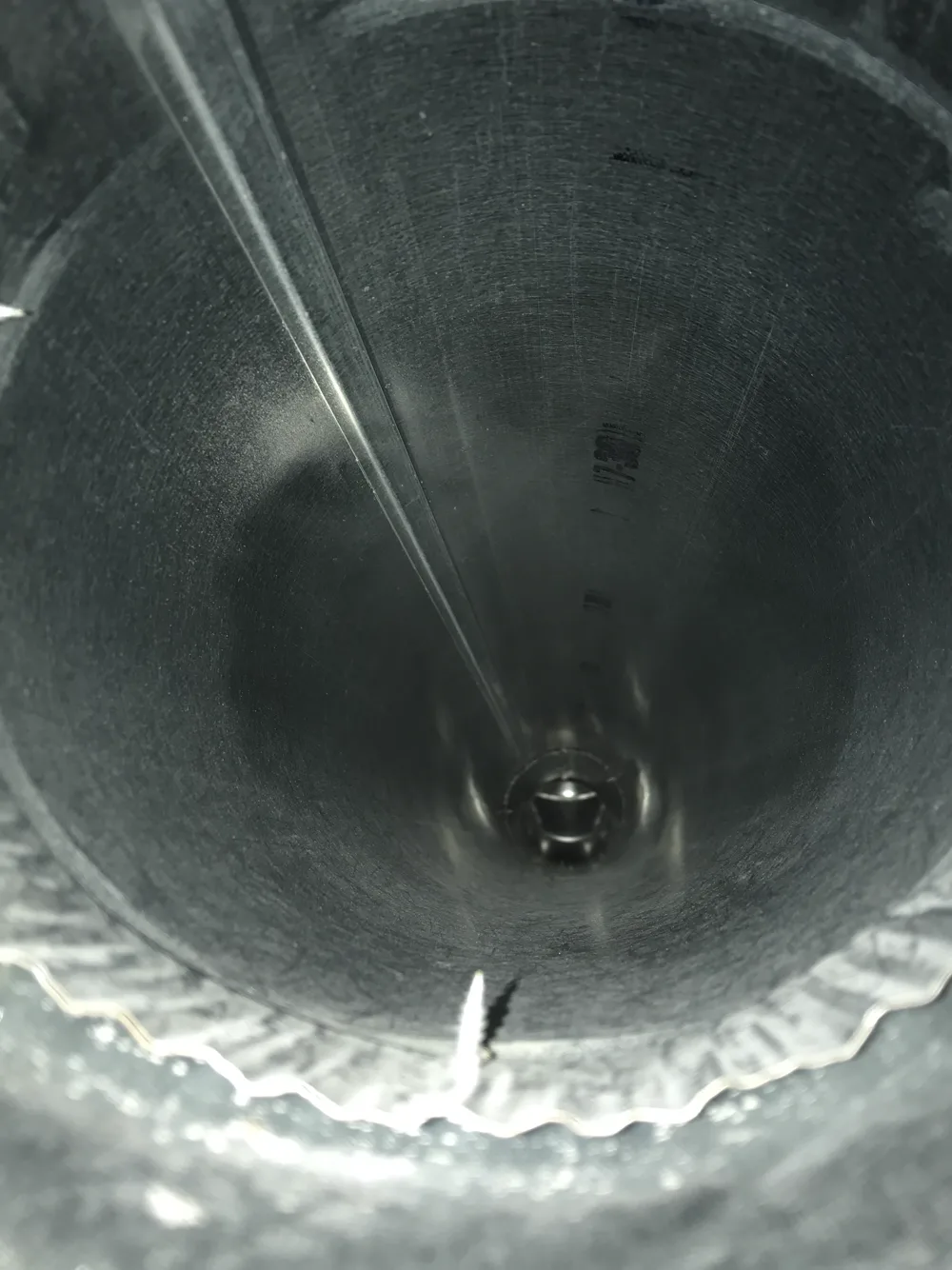
Regular cleaning can extend the life expectancy of the equipment, reducing the need for premature replacements. In the end, comparing the initial expenses versus long-lasting wellness advantages and energy savings can assist homeowners make informed decisions regarding air duct cleaning.
Frequently Requested Questions
How Routine Should My Air Duct Maintenance Be?
Professionals advise cleaning air ducts every three to five years. However, circumstances including pets, allergies, or recent renovations may require more frequent maintenance. Routine upkeep guarantees better air quality and operational efficiency for superior performance.
Can I to Clean My Air Ducts By Myself?
Although it's possible to clean ducts independently, DIY methods may not achieve thorough results. Appropriate equipment and methods are vital for successful duct maintenance, making professional assistance often a more reliable choice for enhanced air quality.
What Risks Come from Filthy Air Ducts?
Contaminated air ducts may result in inadequate indoor air quality, increasing allergens and pollutants. This can trigger respiratory issues, allergies, and overall discomfort. Additionally, accumulated debris can impede HVAC efficiency, raising energy costs.
Do Air Duct Purification Experts Include Certifications?
Many ductwork maintenance services do provide pledges, ensuring client gratification. These guarantees often include the standard of workmanship, providing comfort that the service will comply with specific standards and resolve any difficulties that occur post-cleaning.
Does Air Duct Cleaning Warrant the Investment?
Allocating funds to duct cleaning services can be valuable, as it improves indoor air quality, boosts HVAC efficiency, and possibly lengthens system lifespan. Homeowners frequently report noticeable advantages, making it a practical choice for many.
Report this page